What is the AWS Well-Architected Framework?
The AWS Well-Architected Framework (WAF) is a comprehensive set of best practices, design principles, and architectural guidelines created by Amazon Web Services. Specifically, it helps cloud professionals design and build secure, efficient, reliable, and cost-effective applications in the AWS Cloud. Moreover, it provides a structured approach to evaluate your existing architecture and identify areas that need improvement. Whether you are a beginner or an experienced cloud architect, understanding this framework ensures that your cloud systems perform optimally and can scale effectively as your business grows. In addition, following the WAF helps reduce operational risks and aligns your infrastructure with AWS’s proven standards.
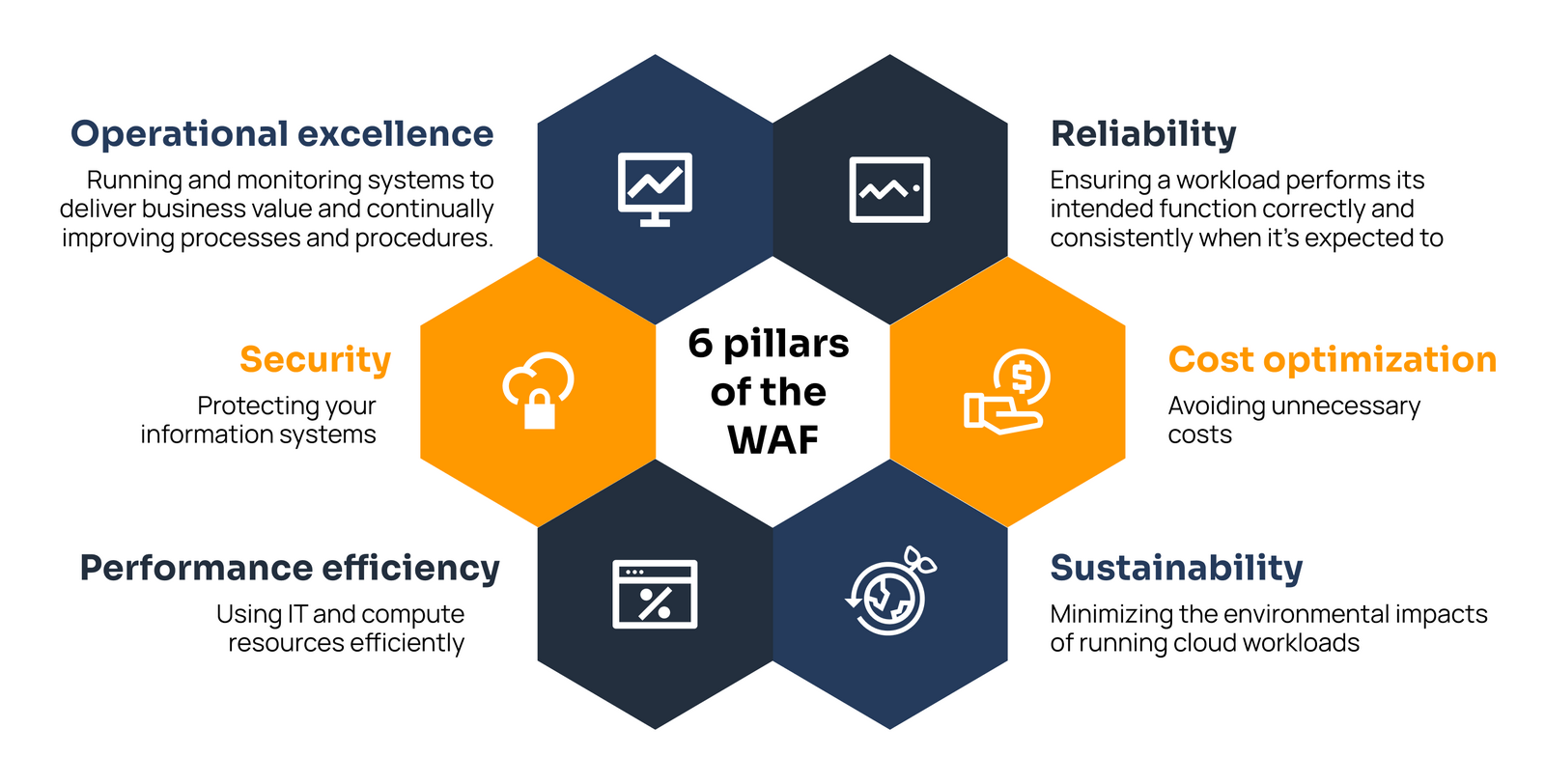
The AWS Well-Architected Framework is built on six key pillars
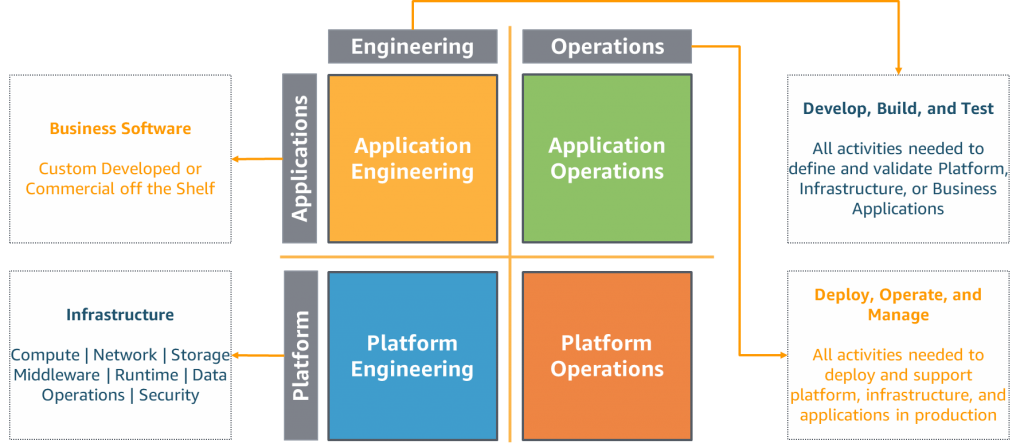
1. Operational Excellence
Focuses on monitoring systems, automating processes, and improving workflows.
Best Practices:
- Use Infrastructure as Code (IaC) for consistency.
- Automate deployments with AWS Code Pipeline or Cloud Formation.
AWS Services: CloudWatch, CloudFormation, AWS X-Ray
2. Security
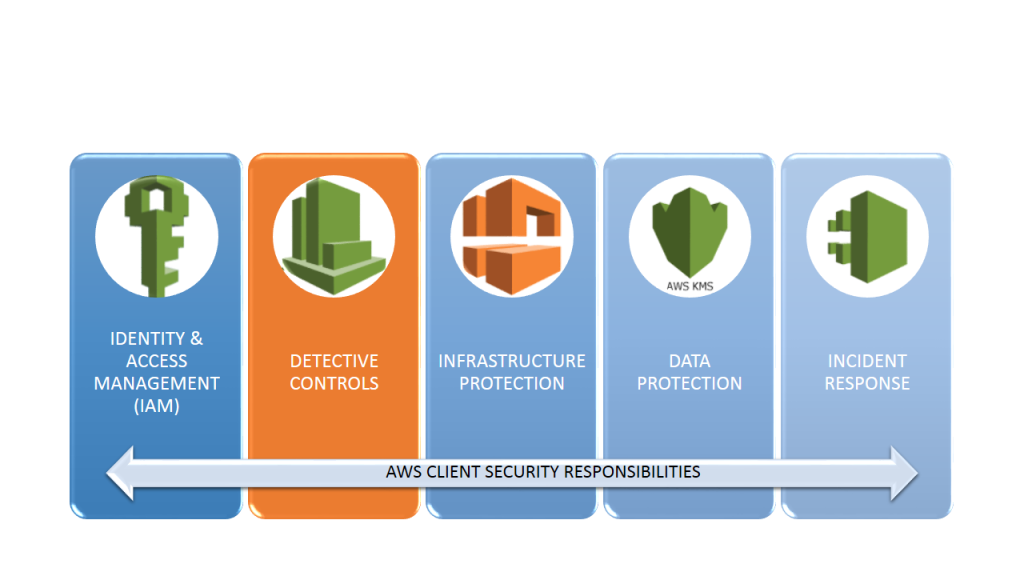
- Implement the Principle of Least Privilege (POLP).
- Enable multi-factor authentication (MFA).
- Use AWS Key Management Service (KMS) for encryption.
AWS Services: IAM, KMS, CloudTrail, AWS Config
3. Reliability
Ensures workloads perform correctly under any circumstances.
Best Practices:
- Design for failure using multi-AZ (Availability Zones).
- Automate recovery processes.
AWS Services: Route 53, Auto Scaling, AWS Backup
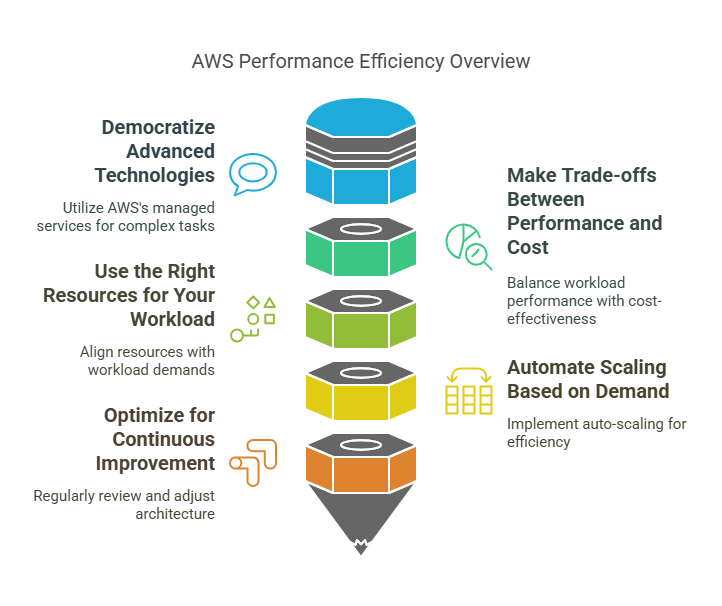
4. Performance Efficiency
Maximize resource efficiency and improve performance based on workload demands.
Best Practices:
- Use Elastic Load Balancing to distribute traffic.
- Optimize with Amazon CloudFront and AWS Global Accelerator.
AWS Services: CloudFront, EC2, Lambda, Amazon S3
5. Cost Optimization
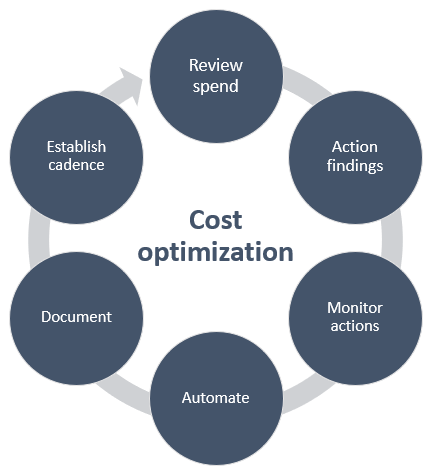
Helps reduce unnecessary expenses while maximizing cloud efficiency.
Best Practices:
- Right-size your EC2 instances.
- Use AWS Cost Explorer and Savings Plans.
AWS Services: AWS Budgets, Cost Explorer, Trusted Advisor
6. Sustainability
Focuses on minimizing environmental impact through efficient resource use.
Best Practices:
- Use serverless computing (AWS Lambda).
- Reduce idle resources and carbon footprint.
AWS Services: Lambda, AWS Compute Optimize
Benefits of the AWS Well-Architected Framework
- Improved Security – Protect data and ensure compliance.
- Enhanced Performance – Optimize workloads for speed and scale.
- Reduced Costs – Identify and eliminate waste.
- Continuous Improvement – Regular reviews keep your architecture healthy.
How to Implement the Framework
- Assess your architecture using the AWS Well-Architected Tool
- Identify risks and improvements across each pillar.
- Apply AWS best practices using automation and monitoring tools.
- Continuously review and refine your architecture.
Key Takeaways
- The AWS Well-Architected Framework is essential for every cloud architect.
- Focus on the six pillars to ensure your system is secure, reliable, and cost-efficient.
- Use AWS tools and automation to maintain operational excellence.